Corporate Photography · Event Planning · Copenhagen
What to Expect When Hiring a Photographer for a Corporate Event
A practical guide for HR managers and event planners — covering everything from the initial brief to final delivery, so you get images that actually work for your brand.
/ Key Takeaways
- A good brief is the single most important thing you can give your photographer before the event
- Always agree on a shot list — not just a mood board
- Discuss image usage rights upfront — internal comms, LinkedIn, press, and website all have different needs
- Turnaround time varies: same-day selects are possible, full edited galleries typically take 5–10 working days
- One photographer can realistically cover one room or one stage — large multi-room events need a second shooter
- Corporate photography and event videography work best when planned together from the start
- A pre-event venue walkthrough saves more time than any amount of email briefing

Why Most Corporate Event Photography Falls Flat
Scroll through any company’s LinkedIn page and you’ll see the same pattern: blurry shots of people clapping, awkward posed group photos under fluorescent lights, and a speaker caught mid-blink at a podium. The images exist, but they don’t do anything for the brand.
This isn’t usually a photographer skill problem. It’s a briefing and planning problem. Corporate event photography produces great results when the client and photographer have aligned expectations before the day begins — and consistently mediocre results when they don’t.
I’ve covered conferences, summits, brand activations, and internal company events for clients including Google, Mastercard, TEDx, and Visit Denmark. The shoots that produce the strongest work share one thing: the organiser knew what they wanted the images to do, and communicated that clearly in advance.
This guide is written for the person on the other side of that equation — the HR manager coordinating an annual conference, the event planner managing a product launch, or the communications lead who needs deliverables for Monday’s newsletter. Here’s what to expect and how to get the most out of it.
Before the Event — The Brief
The brief is where corporate event photography is won or lost. A strong brief takes 20 minutes to write and saves hours of back-and-forth. Here’s what it should cover:
What the images are for
This is the most important and most overlooked question. Images destined for internal communications look different to images going on your company website, which look different again to images going to press or being used in a pitch deck. Tell your photographer the end destination for the content — it changes framing, composition, and the level of polish in selection.
Common use cases and what they require:
LinkedIn and social media content needs horizontal crops with clean backgrounds and expressions that read well at small sizes. Website hero images need wide shots with space for text overlay. Press and PR images need clear subject identification and clean, neutral backgrounds. Internal newsletters need warmth and candid energy over formal posed shots.
The shot list
A mood board is helpful context. A shot list is what actually gets the images delivered. Your shot list should include: key speakers (with names and titles), any VIP guests or executives who need to be photographed, specific moments (arrival, networking, keynote, award presentation, group dinner), and any branded elements — signage, stage set, product displays — that need to be documented.
The more specific, the better. “Get photos of the panel discussion” is vague. “Get individual portraits of each panellist during the session, plus a wide shot showing the full panel and audience” is actionable.
Venue and lighting conditions
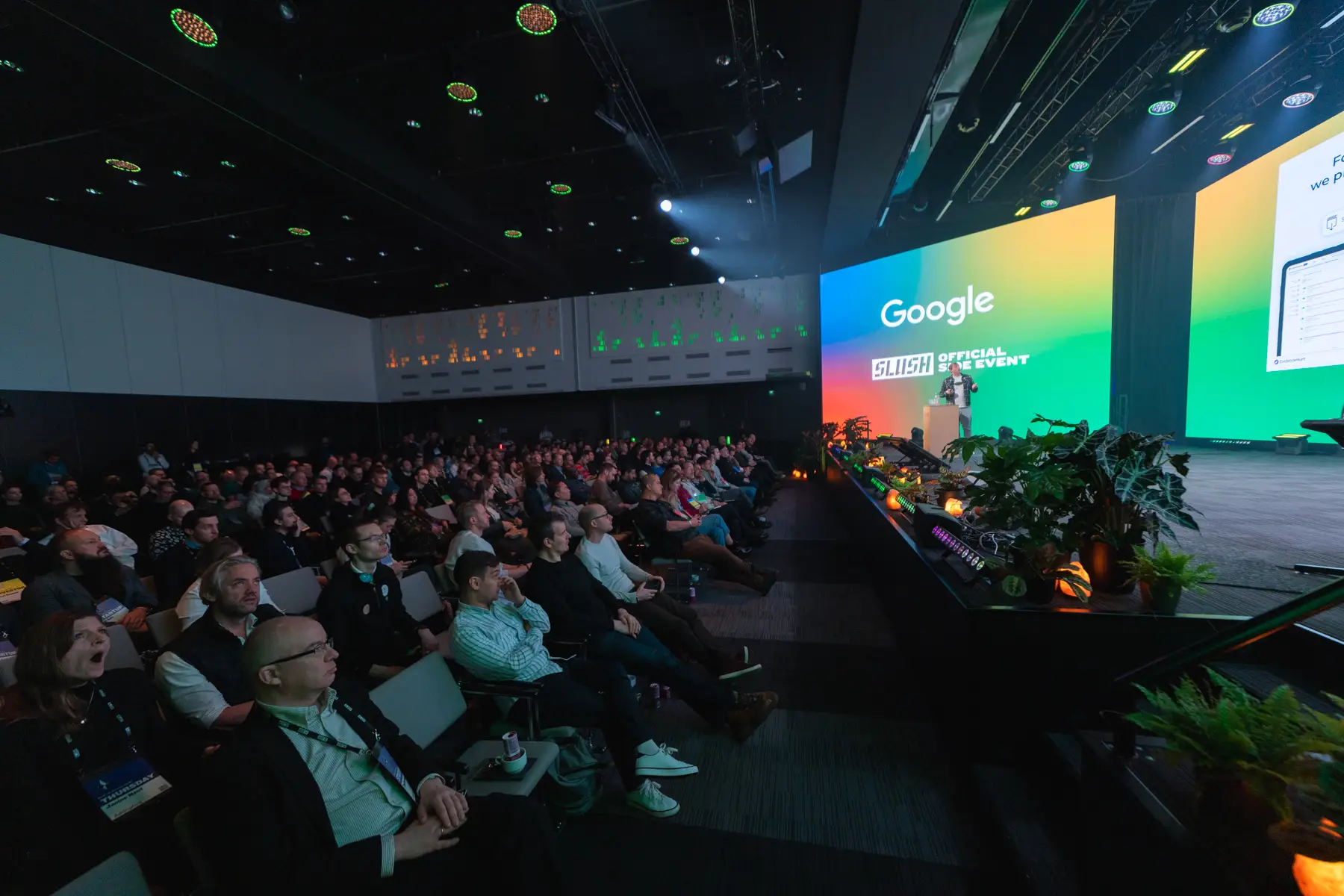
Corporate events are often held in challenging lighting conditions — dark conference rooms with spotlit stages, mixed artificial and natural light, or outdoor spaces with unpredictable weather. Share the venue details and, if possible, a floor plan or previous event photos from the space. An experienced corporate photographer will adapt, but knowing what they’re walking into means they bring the right equipment and don’t spend the first hour of your event problem-solving.
If your venue allows it, arrange a 30-minute walkthrough with your photographer a few days before the event. Standing in the space together — even briefly — is worth more than any number of email exchanges. They’ll identify the best positions for key moments, flag any lighting challenges, and understand the flow of the day in a way that’s impossible from a PDF schedule.
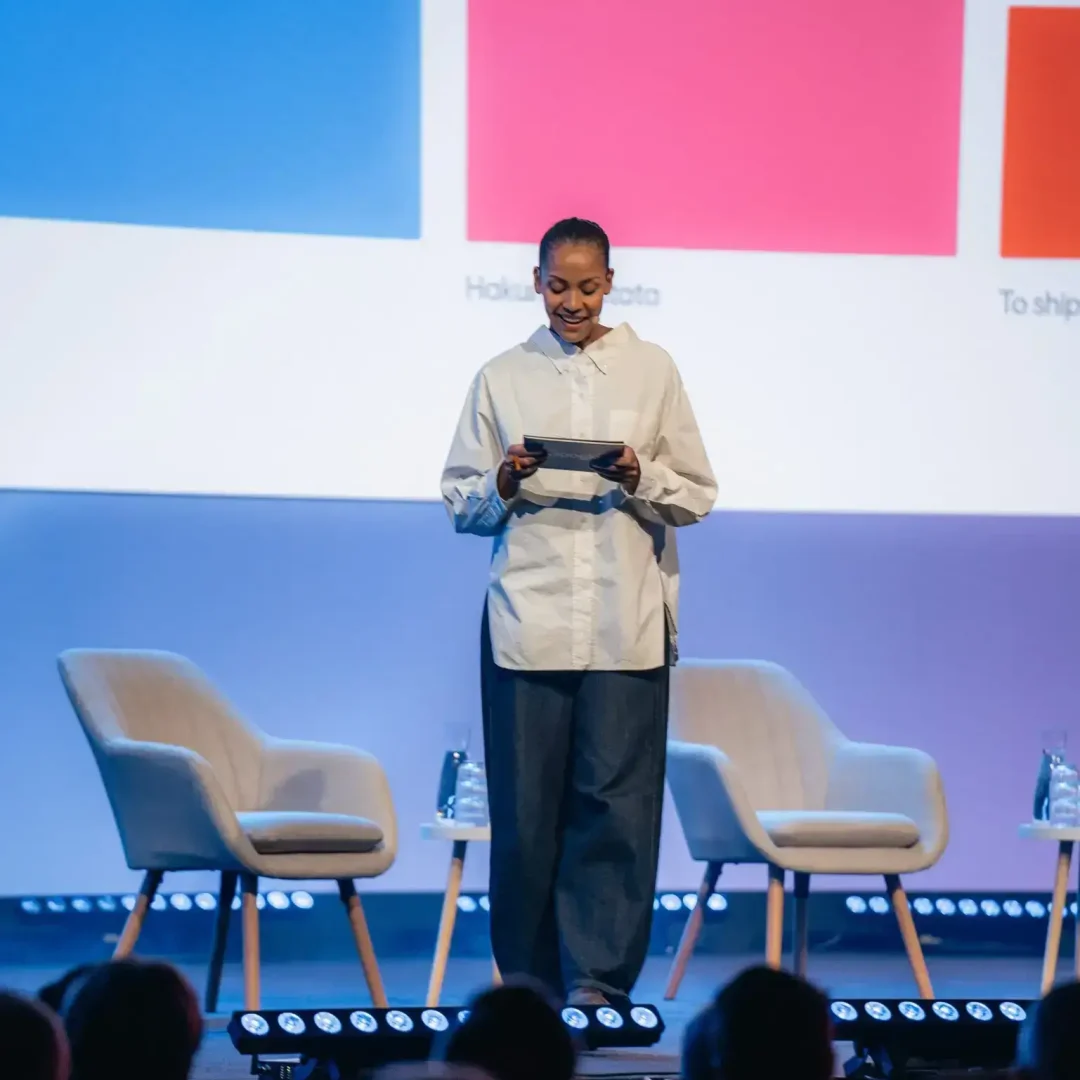
On the Day — What to Expect
A corporate event photographer operates differently to a wedding photographer or a portrait photographer. The work is faster, more reactive, and requires constant awareness of the programme. Here’s how a well-run shoot day typically flows:
Arrival
Setup & orientation
Your photographer should arrive 30–45 minutes before guests. This time is used to walk the space, identify the best positions for key shots, test lighting conditions, and confirm the day’s schedule with the on-site contact. Don’t skip this buffer — events that start with a rushed setup rarely recover.
Programme
Following the brief, not the crowd
A good corporate photographer works from the shot list while staying alert to unscripted moments. The planned shots get covered first — speaker portraits, key moments, branded elements. Candid networking and atmosphere shots fill the time between. They should be largely invisible to your guests.
Key moments
Brief them in advance, not on the day
If there’s an award presentation, a group photo, or a specific moment that must be captured — make sure this is in the brief and confirmed before the day. Communicating critical moments on the day itself, mid-event, leads to missed shots. Your photographer should know the programme as well as you do.
Group photos
Schedule them — don’t wing them
Group photographs require coordination. Block 10–15 minutes per group photo in the programme and assign someone from your team to gather the right people. Attempting to organise a 20-person group photo spontaneously at a busy conference is one of the most reliably stressful experiences in event planning. Schedule it. Everyone is grateful.
Coverage
One photographer, one room
A single photographer can provide excellent coverage of one primary space — one stage, one main room, one networking area. If your event runs simultaneously across multiple rooms or locations, you need a second shooter. This is not a limitation of skill — it’s physics. Discuss your event layout honestly at the briefing stage.

After the Event — Delivery and Usage
Turnaround time
Turnaround varies by photographer and by agreement. For corporate clients who need content for same-day or next-day social posting, it’s worth discussing a fast-turnaround select — typically 20–30 edited images delivered within a few hours of the event closing. Full edited galleries for a full-day event typically take 5–10 working days.
Be realistic about what you’re asking for. A request for “500 fully edited images by tomorrow morning” for a day-long conference is not reasonable. A request for “30 selects from the keynote session by end of day” is. Set expectations at the briefing stage, not after the event.
Image formats and file sizes
Tell your photographer what formats you need before the shoot. High-resolution JPEG or TIFF for print and website. Compressed web-ready files for email and social. Vertical crops for Instagram Stories. Horizontal wides for LinkedIn banners. If you need multiple formats, say so upfront — it’s a 10-minute job when planned, and a time-consuming retrofit when not.
Usage rights — the conversation most people skip
This is the most frequently overlooked part of hiring a corporate event photographer and the one most likely to cause problems later. Always clarify usage rights before you sign anything.
Standard commercial photography agreements typically grant the client rights for specific uses — internal communications, website, social media — within a defined territory and time period. Using images in paid advertising, broadcast, or licensing them to third parties may require additional agreements. If you’re a large organisation with a communications team and legal department, they will want this confirmed in writing before the event.
“The brief is where corporate event photography is won or lost. A strong brief takes 20 minutes to write and saves hours of back-and-forth.”
Combining Photography and Video — Why It Makes Sense
The most efficient corporate event productions I work on are those where photography and video are planned together from the start. When both are briefed as part of the same creative package, the outputs are visually consistent, the logistics are coordinated, and the client gets a single point of contact rather than managing two separate suppliers with different schedules and deliverable formats.
Through 5 ALIVE MEDIA, I regularly produce combined photo and video packages for corporate events — conferences, summits, brand activations, and internal company events. The approach is straightforward: one brief, one production team, one delivery. Photography for immediate use on the day and in the following days, video for longer-form content, recaps, and internal communications.
Previous clients who have taken this approach include Google, Mastercard, TEDx, and several Copenhagen-based companies producing annual conferences and stakeholder events. The consistency across deliverables — same lighting treatment, same colour grading, same visual language — makes a material difference to how the brand is represented across channels.
The Pre-Event Checklist
Before confirming your corporate event photographer, run through this list. It takes ten minutes and avoids the most common problems:
/ Pre-booking checklist for event planners
- Define the purpose of the images Internal use only, website, social media, press, advertising — or a combination. Be specific.
- Write a shot list Named speakers, key moments, branded elements, group photos. Not just a mood board.
- Share the venue and schedule Floor plan, lighting conditions, programme timing, access details.
- Agree on coverage scope One room or multiple? One photographer or two? Full day or specific sessions only?
- Clarify turnaround expectations Same-day selects? Full gallery within X days? Specific deadline for press release?
- Confirm image formats required Print-ready high-res, web-compressed, vertical crops, horizontal wides — whatever you need.
- Agree usage rights in writing Territory, time period, permitted uses. Don’t leave this to a verbal agreement.
- Schedule a venue walkthrough if possible Even 20 minutes on-site before the event is valuable.
- Assign an on-site contact Someone from your team who knows the photographer and can coordinate on the day.
- Discuss combined photo + video If video is also needed, combining into one package saves time, budget, and improves consistency.
What to Look for When Choosing a Corporate Event Photographer
Portfolio first, price second. Look for a photographer whose existing corporate work — not just their best lifestyle or portrait shots — demonstrates they can handle the specific conditions of your event. Conference photography is technically demanding: mixed lighting, fast-moving subjects, variable room sizes, and the need to produce consistent results across a full day.
Ask specifically about their experience with events at a similar scale and format to yours. A photographer who has covered large multi-day conferences understands the rhythm, pressure, and logistics in a way that someone primarily doing brand shoots or portraits may not.
Look also for a photographer who communicates clearly and responds quickly at the briefing stage. How someone handles pre-event communication is usually a reliable indicator of how they’ll handle the day itself.
If you’re organising a corporate event in Copenhagen and need photography, videography, or a combined production package, get in touch directly. I’ll respond with honest advice on what’s realistic for your brief, timeline, and budget — and whether a combined photo and video approach through 5 ALIVE MEDIA makes sense for your event.
/ Corporate event photography Copenhagen